
Is Painting Kitchen Cabinets Worth It?
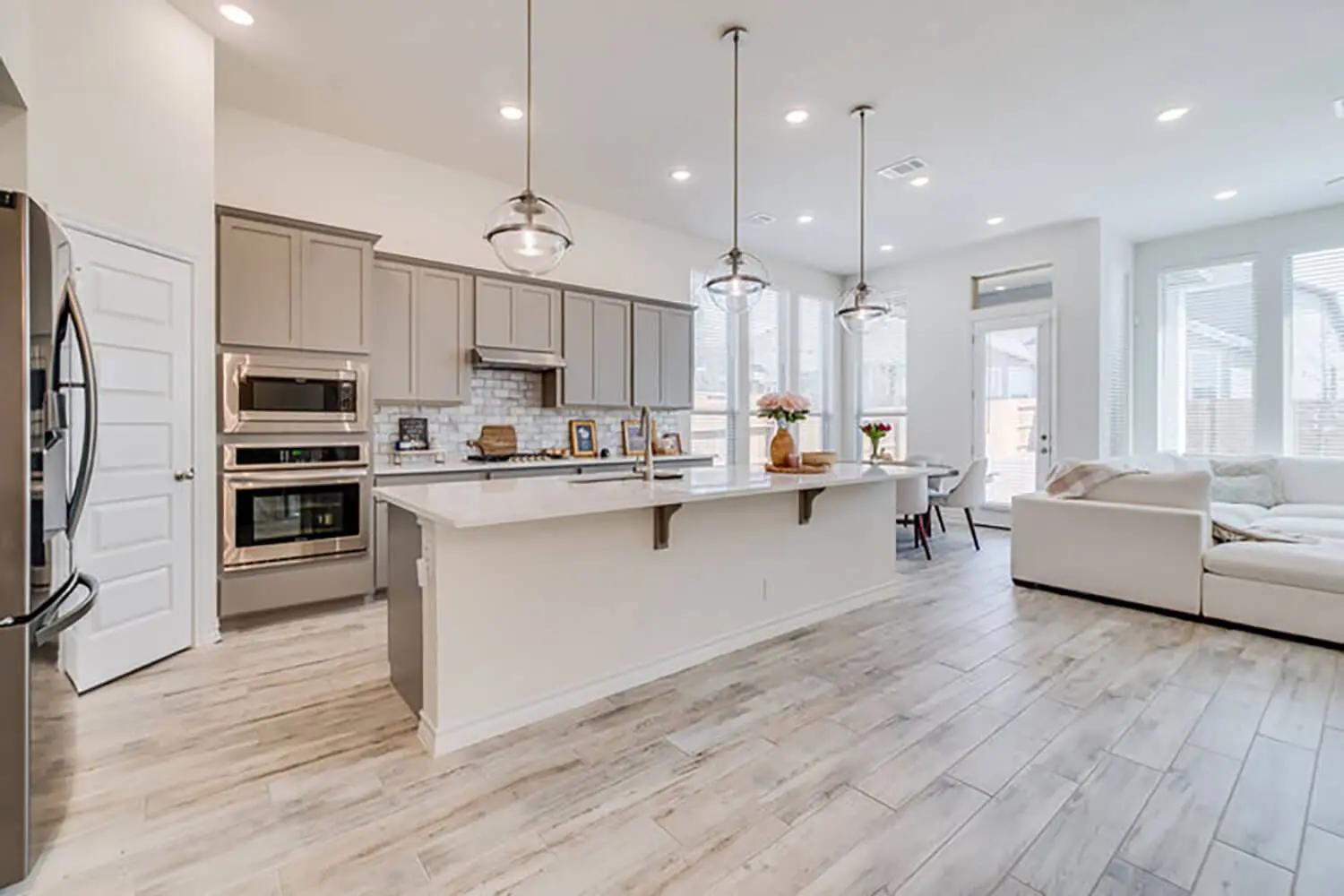
If you’ve been staring at your kitchen cabinets wondering whether painting them is worth it, you’re asking the right question before spending money. Cabinet painting is one of the most popular ways homeowners refresh a kitchen without committing to a full renovation, and in the right circumstances it delivers a significant transformation at a fraction of the replacement cost.
But “the right circumstances” is doing a lot of work in that sentence. The answer depends on the condition of your cabinets, what you’re trying to accomplish, and what you’re willing to invest in the process. This blog walks through the real advantages of cabinet painting, where it falls short, what the process actually looks like when done professionally, and the factors that should drive your decision.
Why Homeowners Consider Cabinet Painting in the First Place
Cabinets are one of the most visually dominant elements in any kitchen. They cover more wall surface than almost anything else in the room, which means their condition and color have an outsized effect on how the entire space looks and feels. Walk into a kitchen with worn, dated cabinets and that’s the first thing you notice. Walk into the same kitchen with clean, freshly painted cabinets and the entire room reads differently, even if nothing else has changed.
The decision to look into painting usually comes from one of a few places:
- Cabinets that look dated, discolored, or worn but are still structurally solid
- A desire to update the kitchen’s appearance without the cost and disruption of tearing everything out
- A kitchen where the layout and cabinet boxes are perfectly functional but the finish has simply run its course
- A homeowner preparing to sell who wants to improve the kitchen’s appearance without over-investing in a full remodel
In each of these situations, the bones are good. The problem is cosmetic. And cosmetic problems are exactly what cabinet painting is designed to solve. The question worth asking before anything else is whether the problem you’re trying to fix is actually a cosmetic one.
The Case for Painting Your Kitchen Cabinets
When the cabinets are good candidates, the advantages of painting over replacement are substantial. Here’s what painting brings to the table that replacement simply can’t match on the same terms.
Cost
Cabinet replacement involves new boxes, new hardware, new installation labor, and often countertop and backsplash adjustments to match the new cabinetry. Depending on the kitchen size and the products selected, full cabinet replacement can run anywhere from tens of thousands of dollars on the modest end to significantly more for custom work. Cabinet painting works with what’s already there. The cost difference between the two is significant, and for most homeowners the visual result of a professional paint job is difficult to distinguish from new at a fraction of the price.
Turnaround
A professional cabinet painting project is typically completed in a few days. Full cabinet replacement can take weeks from the time materials are ordered to the time the kitchen is fully functional again, and it involves extended periods where the kitchen is partially or fully out of commission. Cabinets need to be ordered, delivered, and installed. Old cabinetry needs to be removed and disposed of. For households that rely on their kitchen daily, the difference between a few days of disruption and several weeks is not a minor consideration.
Appearance
A professionally applied cabinet finish can dramatically change how a kitchen looks. Color updates, whether from dark stained wood to a clean white or from a dated oak tone to a modern two-tone finish, can make an older kitchen feel completely current without touching the layout. The finish quality on a properly prepared and professionally painted cabinet is smooth, even, and durable in a way that a DIY paint job typically isn’t, and the visual impact of the transformation is often striking even to homeowners who weren’t sure what to expect going in.
Sustainability
Painting existing cabinets keeps structurally sound material out of the waste stream. Cabinet boxes are built to last, and when the structure is solid there’s a reasonable argument that replacing them primarily for cosmetic reasons isn’t the most responsible use of resources. For homeowners who prefer not to replace things that are still functional, painting is the more sustainable path and one that doesn’t require compromising on the result.
These advantages are real and worth taking seriously. They also apply most fully when the cabinets are actually good candidates for painting, which not all cabinets are.
Where Cabinet Painting Falls Short of Full Replacement
Cabinet painting solves cosmetic problems. It does not solve structural, functional, or material ones. Understanding where the limitations are is as important as understanding the benefits, because going into a cabinet painting project with the wrong expectations leads to disappointment regardless of how well the work is executed.
Structural issues
Painting cannot fix cabinets that are warped, water-damaged, or structurally compromised. Soft spots, swollen wood, cabinets that have shifted off level, or boxes where the joinery is failing — none of these problems are addressed by a new coat of paint. If the underlying structure is the problem, replacement is the right answer. Painting over a structural issue doesn’t hide it for long.
Surface condition and material limitations
Cabinets with significant damage, deep scratches, or heavily repaired surfaces may not produce a smooth, even finish even with thorough preparation. Preparation can address a lot, but it can’t eliminate deep gouges or fill serious surface inconsistencies to the point where they disappear under paint. Certain materials, particularly some laminates and thermofoil surfaces, do not hold paint well regardless of their structural condition. The adhesion simply isn’t there, and a finish applied to the wrong substrate will fail prematurely no matter how carefully it’s applied. A professional assessment of the cabinet material and surface condition is essential before committing to painting.
Layout and functionality
Painting changes how cabinets look, not how they work. Cabinets that do not close properly, have outdated storage configurations, lack the depth for modern appliances, or are poorly positioned in the kitchen will have the same functional problems after painting. If the goal is to change how the kitchen functions — more storage, a better layout, deeper cabinets — painting is not the right tool for that goal. It’s worth being clear with yourself about whether the problem you’re solving is visual or functional before committing to either path.
Durability expectations
A professionally applied cabinet finish is durable, but it is not indestructible. High-contact areas like door edges, drawer fronts, and the areas around pulls and knobs will show wear over time with normal use. Painted cabinets require reasonable care — wiping spills promptly, avoiding abrasive cleaners, and handling doors and drawers without excess force. Homeowners who expect a painted finish to perform identically to a factory finish on brand-new cabinetry should go in with realistic expectations. The finish holds up well under normal conditions, but it is a different product than a baked-on factory coating.
What to Expect from a Professionally Painted Cabinet Finish
Professional cabinet painting is a different process than painting walls, and the difference matters for understanding both the result and why the investment is justified. A wall painting project can be completed with the furniture in place and the room largely undisturbed. Cabinet painting is a more involved process that requires significantly more preparation and a controlled environment for the finish work.
The process typically includes:
- Removing doors and drawer fronts from the cabinet boxes entirely
- Cleaning all surfaces thoroughly to remove grease, cooking residue, and contaminants that would prevent proper adhesion
- Deglossing and sanding to create a surface the new finish can bond to
- Priming all surfaces before any topcoat is applied
- Painting doors and drawer fronts in a controlled environment, often off-site or in a dedicated spray area, before reinstallation
- Reinstalling doors and hardware and making any adjustments needed for proper alignment
Each of these steps serves a specific purpose and skipping or rushing any of them compromises the final result. The preparation is what determines whether the finish holds up over years of kitchen use or starts showing problems within months. A painted cabinet finish that chips or peels within a year is almost always the result of preparation that was rushed or skipped, and the same principle applies when choosing the right paint finish for any surface in the home.
On properly prepared surfaces in good condition, a professionally applied finish will hold up to normal kitchen use for many years. The kitchen can be cleaned, the cabinets can be wiped down, and the doors and drawers can be used daily without the finish deteriorating prematurely. The key phrase is properly prepared surfaces in good condition — which brings the conversation back to whether the cabinets are good candidates in the first place.
The Factors That Should Drive Your Decision
No single factor settles this question on its own. The right answer comes from looking at all of them together and being honest about what the situation actually calls for.
Cabinet condition
Are the boxes structurally sound? Are the surfaces in reasonable shape without significant damage or material limitations? Do the doors and drawers function properly? If the answers are yes, painting is a strong candidate. If any of those answers is no, the nature of the problem determines whether painting can still work or whether replacement is the more appropriate path.
Budget
If the goal is a meaningful kitchen update at a fraction of replacement cost, cabinet painting delivers that clearly. If the budget allows for full replacement and the homeowner wants new boxes, new layout options, and the ability to change the kitchen’s configuration entirely, replacement is the right tool for that goal. The budget conversation should follow the condition conversation, and knowing what to ask your contractor before committing makes both conversations more productive.
Timeline
Painting is faster and far less disruptive. Homeowners who cannot absorb weeks of kitchen downtime, who have households that depend on a functioning kitchen daily, or who are working toward a specific deadline — a home listing, a family event, a renovation milestone — will find cabinet painting significantly easier to manage on every front.
Long-term plans
A homeowner planning to sell within a few years may find that painted cabinets deliver strong return relative to the investment, particularly in a market where buyers respond well to updated kitchens. A homeowner planning a full kitchen renovation in the next year or two may be better served waiting and doing everything at once rather than painting cabinets that will be replaced shortly after. And a homeowner who plans to stay in the home for many years and wants the kitchen to look and feel right for the long term should weigh whether painting delivers the result they actually want to live with.
The decision is the combination of these factors evaluated honestly against each other. Cabinets in good condition, a limited budget, a short timeline, and a homeowner who plans to stay in the home for several more years — that’s a strong case for painting. Cabinets with structural problems, a full renovation budget, and a homeowner who wants to change the layout entirely — that points somewhere else.
A Refreshed Kitchen Without Starting From Scratch
Cabinet painting is worth it when the cabinets are good candidates, the expectations are realistic, and the goal is a meaningful visual update without the cost and disruption of full replacement. When those conditions are met, it is one of the most efficient ways to change how a kitchen looks and feels without touching the layout, the appliances, or the overall structure of the room.
The right starting point is an honest look at the cabinets themselves. Condition, material, and function determine whether painting is the right path before budget or timeline even enter the conversation. A kitchen where the cabinets are solid, the surfaces are in reasonable shape, and the layout works is a kitchen where painting can deliver a result that genuinely changes the space.
If you’re weighing whether your cabinets are a good fit for painting, Damian’s Painting offers cabinet refinishing assessments to give you a clear answer before any work begins. We’ll look at the condition of your cabinets, walk you through what the process involves, and let you know exactly what kind of result is realistic for your kitchen. Contact us today to schedule your assessment.