

How Long Does Interior Paint Take to Dry and Fully Cure?
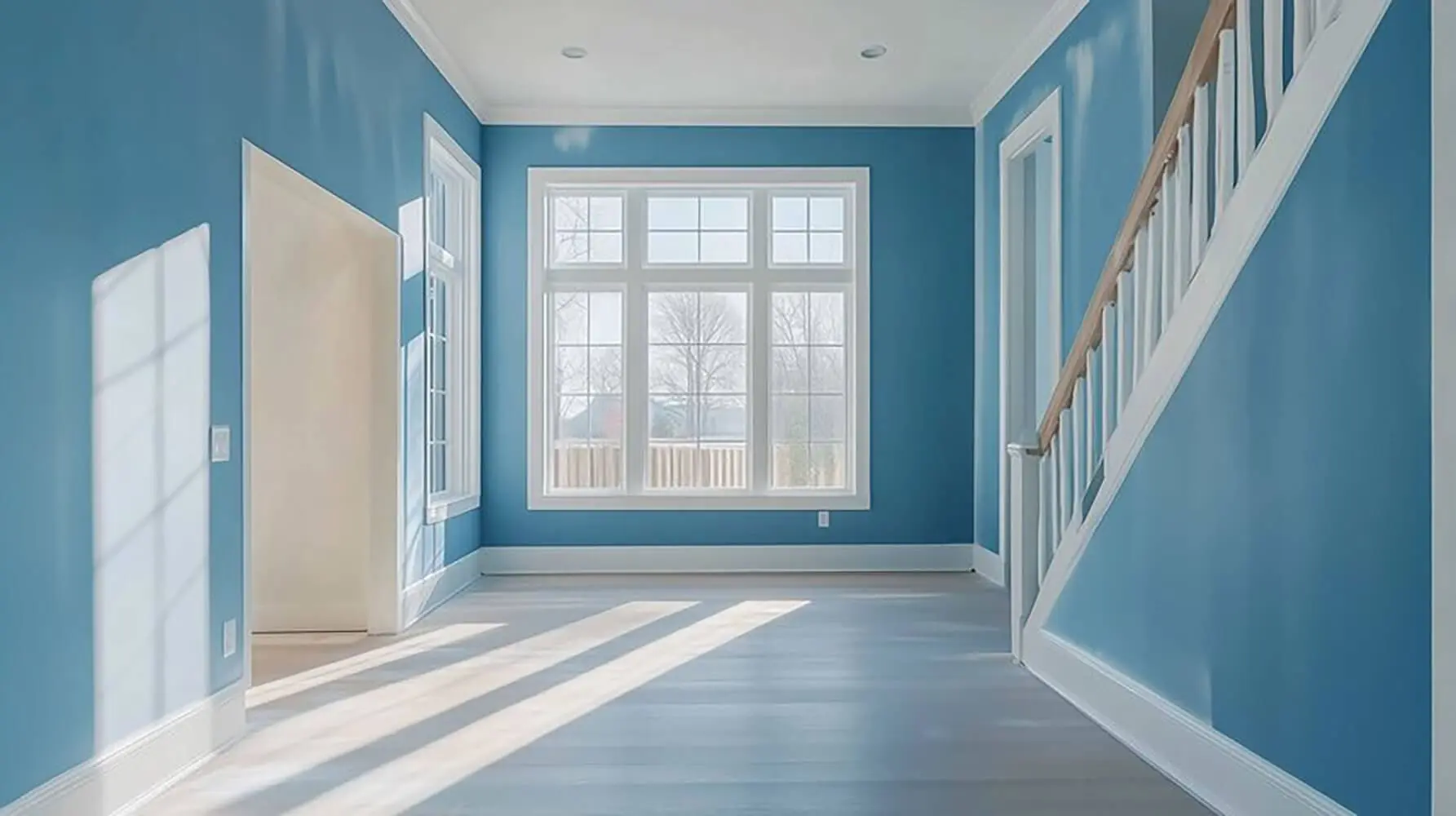
If you’ve just had a room painted or are planning a project, one of the first questions that comes up is how long does interior paint take to dry. It seems straightforward until you realize that dry and fully cured are two different things, and treating them the same way is how painted surfaces end up scuffed, dented, or peeling before the job even has a chance to prove itself.
This blog breaks down the difference between dry time and cure time, covers typical timelines for walls and trim, explains what slows the process down, and sets realistic expectations for when a room is genuinely ready for normal use again.
Dry Time and Cure Time Are Not the Same Thing
These two terms get used interchangeably, but they describe different stages of the same process.
Dry time is the point at which the paint surface is no longer wet to the touch. The surface feels dry, it won’t transfer onto your hand, and a second coat can be applied. This happens relatively quickly with most modern interior paints.
Cure time is different. Curing is the process by which paint fully hardens and bonds to the surface at a chemical level. A cured surface is at its full durability and can handle cleaning, scrubbing, contact, and normal wear without damage. This takes significantly longer than drying.
Here’s the part that catches most people off guard: a wall can feel completely dry within a couple of hours while still being weeks away from full cure. The surface looks finished. It feels finished. But the paint film hasn’t reached its full hardness yet, and contact that the surface would handle easily once cured can leave marks, scuffs, or impressions in the meantime.
How Long Paint Takes to Dry Between Coats
Most interior latex paints are dry to the touch within one to two hours under normal conditions. That’s the point at which the surface won’t transfer wet paint onto anything that touches it.
Recoat time is a separate number. This is the window a painter waits before applying a second coat, and for most latex products that window is two to four hours. Oil-based paints take longer, often requiring an overnight wait between coats.
Applying a second coat too early creates problems:
- Trapped moisture leads to uneven sheen across the finished surface
- The bond between coats weakens, which can cause peeling later
- The finish can look streaky or inconsistent once fully dry
Following the recoat window on the product being used isn’t a suggestion. It’s what separates a paint job that holds up from one that starts showing problems within a year.
How Long Interior Paint Takes to Fully Cure
Latex paint, which covers the majority of interior painting projects, typically reaches full cure in about 30 days. The surface becomes increasingly durable throughout that window, not all at once at the end.
Oil-based paints cure more slowly. Full hardness on an oil-based product can take 60 to 90 days, though the tradeoff is a harder, more durable final surface once curing is complete.
Cure time isn’t a fixed number across every situation. A room with good airflow and low humidity will move through the curing process faster than a closed room with poor ventilation. Temperature plays a role too. The 30-day figure for latex is a general benchmark, not a guarantee in every environment.
The practical takeaway is that most painted surfaces look and feel completely finished well before they’ve reached full cure. That’s exactly why the 30-day window surprises so many homeowners. The room looks great. The walls feel dry. But the paint film is still hardening, and it needs to be treated accordingly.
What Slows Down Drying and Curing Time
Several environmental and application factors influence how quickly paint dries and cures. Understanding them helps set realistic expectations for any project.
- Humidity: High moisture in the air slows evaporation, which extends dry time and pushes the cure timeline out further. This is one of the most common reasons a paint job takes longer than expected.
- Temperature: Paint dries and cures best between 50 and 85 degrees Fahrenheit. Below that range the process slows significantly. Above it, the surface can dry unevenly, which affects the final appearance and durability.
- Ventilation: Rooms with poor airflow trap moisture and keep dry time high. Open windows and fans move the process along by pulling moisture-laden air out of the space.
- Paint type and sheen: Higher sheen paints for interior walls and thicker formulations take longer to dry and cure than flat or matte finishes. Semi-gloss and gloss products used on trim and doors sit in this category.
- Coat thickness: A coat applied too heavily holds more moisture and takes longer to dry through. Proper application technique, including applying thinner, even coats, is part of what keeps a project on schedule.
When Is It Safe to Use a Freshly Painted Room?
The answer depends on what “use” actually means. Light activity, furniture placement, and hanging items all have different thresholds, and treating them the same way is where most post-painting damage happens.
Here’s a general timeline for most interior latex projects:
- 24 hours: Light use is generally fine. Walking through the room, sleeping in a bedroom, or spending time in the space won’t cause problems at this point.
- 48 to 72 hours: Furniture can start moving back, but knowing how to prepare your space ahead of time makes this stage easier to manage. The surface isn’t fully hardened and contact can leave impressions.
- 7 days: Most normal activity can resume. Furniture against walls, rugs on the floor, and general use are all reasonable at this stage.
- 30 days: Full cure. The surface can handle cleaning, scrubbing, and sustained contact without risk of damage.
Trim and doors deserve extra attention throughout this window. These surfaces take more direct contact than walls and should be handled with care during the first 30 days. Closing a door too firmly or leaning against freshly painted trim before it’s fully cured can leave marks that are difficult to fix without repainting.
What to Expect Before a Painted Room Is Back to Normal
The paint will look finished before it is finished. That’s the most important thing to carry out of this. A freshly painted room can look completely done within a day or two, but the surface is still in the process of hardening and needs to be treated carefully during that window.
The 30-day cure period isn’t a restriction on living in the space. It’s a transition period. Most normal activity resumes within the first week. The care required is specific to high-contact surfaces, direct scrubbing, and anything that puts sustained pressure or friction on the painted surface.
If you’re planning an interior painting project and want to know exactly what to expect before, during, and after the work is done, Damian’s Painting is happy to walk you through it. Contact us today to schedule your estimate.