

Choosing the Best Cabinet Staining for Your Home
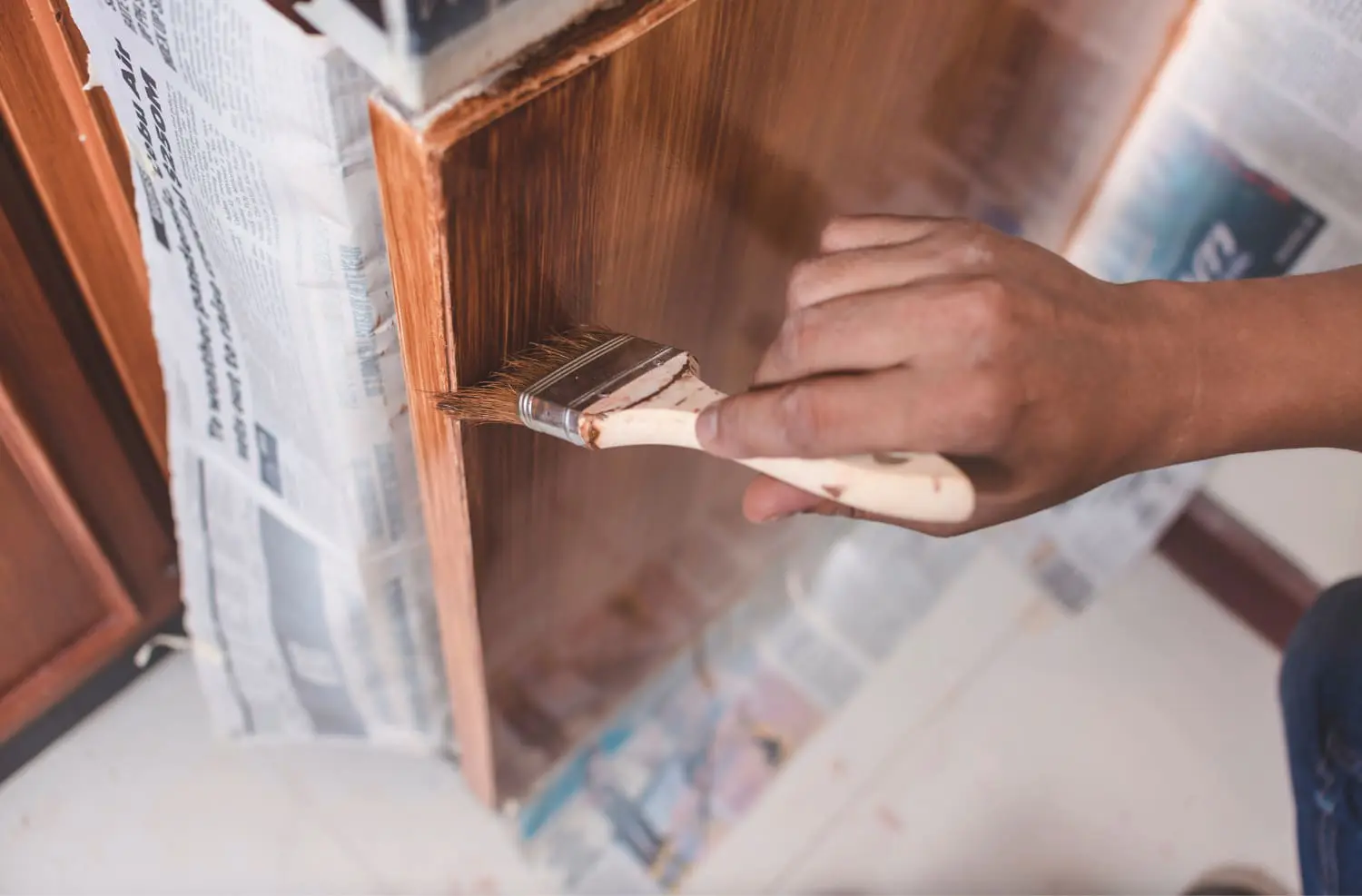
Kitchen cabinets play an important part in the overall look and feel of your kitchen. They provide functionality and style, making your kitchen a standout feature in your home. However, over time, cabinets can begin to look worn or outdated. One effective way to breathe new life into them is through cabinet staining. This technique not only enhances the natural beauty of the wood but also prolongs its lifespan, offering a fresh appearance that can revitalize your entire kitchen space.
Opting for professional cabinet staining can make a significant difference. Unlike painting, which often covers the wood’s natural texture, staining emphasizes it, adding depth and character. The choice of stain can completely transform the look of your cabinets, allowing you to match them perfectly with your kitchen’s decor. This thoughtful approach keeps cabinets looking fresh for years, protecting them from daily wear and tear.
Understanding Cabinet Staining
Cabinet staining is a method that involves applying a pigmented solution to wood surfaces, which seeps into the grain rather than sitting on top of the wood like paint does. This process highlights the natural beauty of the wood, preserving its texture while providing color and protection. It’s a popular choice for those who want to enhance rather than obscure a cabinet’s natural characteristics.
There are several benefits to choosing cabinet staining over other updating methods:
- Enhanced Natural Look: Stains bring out the unique patterns and grains in the wood, making each cabinet truly one-of-a-kind.
- Durability: Stains often add a protective layer to wood, helping to shield it from moisture, heat, and regular kitchen activities.
- Versatility: With various hues available, you can choose a stain that complements your existing decor or creates a new focal point in your kitchen.
Staining offers a practical and aesthetically pleasing approach to cabinet renovation. Whether you’re looking to preserve the charm of oak cabinets or give your maple ones a richer tone, staining provides endless possibilities to refresh your kitchen without the need for a complete overhaul.
Factors to Consider When Choosing a Stain
Selecting the right stain for your cabinets isn’t just a matter of picking a color you like. Several factors can influence the final outcome, so it’s wise to consider these before making your choice.
First, think about the type of wood you’re working with. Different woods absorb stains differently, affecting both color and texture. For instance, oak has a pronounced grain, which can be highlighted beautifully with the right stain. On the other hand, cherry is known for its rich, deep tones, which can be enhanced or muted depending on the stain selected.
Next, color choices play a substantial role. You’ll want a stain color that complements your kitchen’s current decor. Lighter stains can offer a fresh and modern feel, while darker shades might give your kitchen a more traditional and cozy atmosphere. It’s like matching clothes to an outfit; the right combinations can make a significant style statement.
Another crucial consideration is the finish. Cabinets can have a matte or glossy finish, each providing a different look and level of maintenance. A glossy finish offers a sleek and shiny appearance, which might require more frequent cleaning to maintain its luster. Conversely, a matte finish often conceals smudges and fingerprints better, making it a practical choice for busy kitchens.
The Process of Professional Cabinet Staining
Engaging professionals to stain your cabinets ensures the job is done efficiently and produces a durable finish. Here’s a peek at what the process entails:
- Preparation: This step includes removing any old finishes, sanding the surfaces smoothly, and cleaning the cabinets thoroughly. Proper prep ensures that the stain adheres evenly and lasts longer.
- Staining: Applying the stain is an art, requiring precision and a steady hand. Professionals use techniques that ensure the stain covers evenly, highlighting the wood’s natural beauty. Depending on the wood and desired color, multiple coats might be applied for the best results.
- Sealing: After staining, sealing the wood protects it from moisture and wear. A good seal extends the life of the stain and ensures your cabinets remain beautiful over time.
Tips for Maintaining Stained Cabinets
Once your cabinets are stained, a bit of care will keep them looking as good as new. Regular cleaning is key—use a gentle cleanser and a soft cloth to wipe away dust and grime. This practice helps maintain the finish and keeps the stain from dulling.
Pay attention to common issues like scratches or water damage. Installing small felt pads on cupboard doors can prevent scratches from constant opening and closing. Also, wiping spills promptly can prevent water stains.
Know when to consider re-staining. Signs like fading color, visible wear, or an uneven finish indicate it might be time to refresh your stain. Doing so can breathe new life into your kitchen, keeping your cabinets a vibrant focal point.
By taking these steps, you’ll enjoy the beauty and functionality of your stained cabinets for years to come, ensuring your kitchen remains both stylish and efficient.
For cabinets that reflect your style while standing the test of time, consider investing in expert cabinet staining. By exploring the benefits and techniques behind this approach, you can enhance your kitchen’s ambiance with enduring elegance. To see how Damian’s Painting can assist you in achieving beautiful results, reach out to our team today.