

How Spring Weather Affects Exterior House Painting in Schaumburg
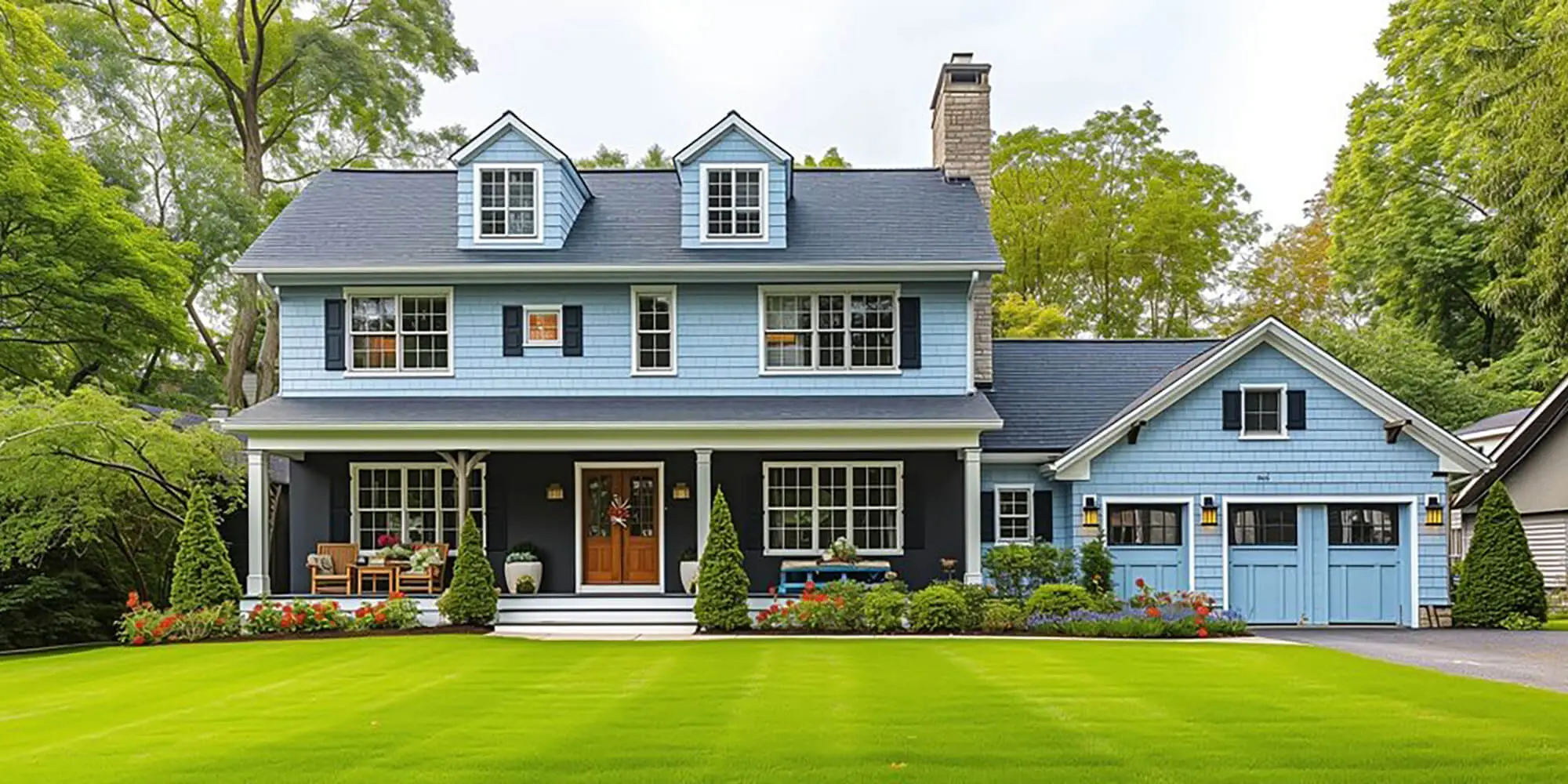
Spring often feels like the perfect time to refresh your home’s exterior. After months of snow, freezing temperatures, and dull winter skies, it is natural to look at your siding and think it is finally time for a new coat of paint.
Longer days and milder temperatures create the impression that conditions are ideal. But many homeowners in Schaumburg wonder how spring weather affects exterior house painting and whether starting early in the season is actually a smart move.
The truth is that spring weather can either support a long-lasting finish or create hidden problems that show up months later. Temperature swings, lingering moisture, and unpredictable rain all play a role in how well paint bonds and cures.
Understanding how spring weather affects exterior house painting helps you avoid costly mistakes and plan around conditions that truly support durability. In this guide, you will learn how spring climate patterns in Schaumburg impact paint performance, what risks to watch for, and how to schedule your project for the best possible results.
Why Spring Is a Popular Time for Exterior House Painting in Schaumburg
For many homeowners, spring feels like a reset button. After a long Midwest winter, exterior surfaces often look worn, faded, or dirty.
Snow, ice, and freezing temperatures can take a visible toll on siding and trim. Paint may look dull, chalky, or slightly cracked, making spring an appealing time to refresh the home’s appearance.
There are a few key reasons exterior painting projects ramp up this time of year:
- Longer daylight hours allow crews to work efficiently and complete projects without rushing.
- Daytime temperatures are typically milder than summer highs.
- Homeowners begin preparing for outdoor gatherings, listings, or general curb appeal improvements.
Spring also aligns with home maintenance checklists. After inspecting gutters, roofs, and landscaping, repainting often becomes part of the overall seasonal update.
However, while spring is attractive on the calendar, Schaumburg weather can still be inconsistent. Warm afternoons may be followed by chilly evenings. Sudden rain showers are common. Snow is not unheard of in early spring.
This mix of improving conditions and lingering winter patterns is exactly why timing matters. Spring can be an excellent opportunity for exterior painting, but only when the weather window supports proper adhesion and curing.
How Spring Weather Affects Exterior Paint Adhesion, Drying, and Durability
When homeowners ask how spring weather affects exterior house painting, the answer comes down to three core factors: adhesion, drying, and long-term durability.
Paint is designed to bond to a clean, dry, stable surface. Spring conditions in Schaumburg can either support that bond or interfere with it.
Temperature swings are one of the biggest influences.
In early and mid-spring, it is common to see:
- Warm afternoons in the 60s or 70s
- Evening temperatures dropping into the 40s or even 30s
- Rapid shifts within a 24-hour period
Most exterior paints follow specific exterior painting temperature guidelines. They typically require both daytime application temperatures and overnight lows to remain within a safe range for proper curing.
If paint is applied during a warm afternoon but temperatures drop too quickly at night, the curing process can slow or stall — something homeowners often overlook when planning spring exterior painting projects in unpredictable Midwest weather.
Humidity is another critical factor.
Spring air often holds more moisture, especially after rain or snowmelt. High humidity can:
- Slow down surface drying
- Extend curing time
- Increase the risk of trapped moisture under the paint film
Even if siding feels dry to the touch, lingering moisture within porous materials like wood or fiber cement can interfere with adhesion.
Rain timing also matters.
A light shower the day before painting may leave surfaces damp longer than expected. Painting too soon after rainfall can lead to uneven finishes or reduced durability.
On the other hand, when temperatures are stable, humidity is moderate, and surfaces are fully dry, spring can provide some of the best weather for exterior painting.
Consistent conditions allow paint to cure evenly, form a strong bond, and resist peeling or cracking later on. The key is not simply choosing spring as a season, but choosing the right weather window within that season.
What Can Go Wrong If Exterior Painting Is Done Too Early in Spring
It is tempting to schedule exterior painting as soon as the first warm week appears. After a long winter, even a few sunny days can feel like the perfect opportunity to get started.
But painting too early in spring can create problems that may not show up right away.
One of the most common issues is trapped moisture.
If siding or trim still holds moisture from snowmelt or recent rain, applying paint can seal that moisture beneath the surface. Over time, this can lead to:
- Peeling or flaking paint
- Bubbling or blistering
- Soft or deteriorating wood underneath
These problems often develop gradually, which makes them frustrating and costly to correct.
Cold nighttime temperatures are another risk.
Even if the daytime forecast looks ideal, overnight lows that dip too far can interfere with curing. When paint does not cure consistently, it may:
- Fail to fully harden
- Develop uneven sheen or texture
- Lose durability sooner than expected
Early spring projects can also be vulnerable to sudden rain showers. If rain hits before paint has had adequate time to dry, it can wash away sections, cause streaking, or weaken the finish.
Inconsistent curing reduces the overall lifespan of the paint job. Instead of lasting many years, the coating may require touch-ups or full repainting much sooner.
In many cases, these issues are not caused by poor products or poor workmanship. They are caused by timing.
Waiting for more stable spring conditions often protects homeowners from avoidable maintenance costs and premature repainting.
What the Best Spring Painting Conditions Look Like
While spring can offer excellent opportunities for exterior projects, not every warm day provides the right conditions. Understanding what truly qualifies as the best weather for exterior painting helps homeowners avoid costly mistakes.
The ideal scenario involves consistent daytime temperatures that stay within recommended exterior painting temperature guidelines and remain steady overnight. Paint needs time to level, bond, and begin curing without sudden drops that interrupt the process. When evenings stay comfortably above the manufacturer’s minimum temperature range, the coating has a much better chance of hardening properly.
Dry surfaces are equally important. Even after snow has melted, siding can retain moisture beneath the surface. Wood trim in particular absorbs water over winter and may need additional time to fully dry out. Painting over damp material compromises adhesion and shortens the life of the finish.
Humidity also plays a subtle but significant role. Moderate humidity supports even drying, while excessive moisture in the air slows curing and increases the risk of surface imperfections. A stable forecast with several dry days in a row is often more valuable than choosing the first warm afternoon on the calendar.
In spring, consistency matters more than speed. Waiting for a steady stretch of suitable weather allows the paint to perform as intended and protects the investment for years to come.
How Winter Wear and Moisture Impact Spring Surface Prep
Before any paint goes on in spring, the condition of the surface matters just as much as the weather. Schaumburg winters are hard on exterior materials, and that wear does not disappear when temperatures rise.
Freeze-thaw cycles are especially tough on siding and trim. When moisture seeps into small cracks and then freezes, it expands. Over time, this repeated expansion can cause subtle separation, cracking, or surface breakdown.
By spring, you may notice:
- Small splits in wood trim
- Loose caulking around windows and doors
- Peeling or lifting paint from previous seasons
Even if these issues appear minor, they can affect how well new paint bonds.
Moisture is another concern. Snow accumulation and ice dams can push water into seams and joints. As temperatures warm, that trapped moisture does not always evaporate immediately. Materials like wood and composite siding may hold internal dampness longer than expected.
If painting begins before surfaces are fully dry, adhesion can suffer. Paint may initially look smooth, but underlying moisture can later lead to bubbling, peeling, or premature failure.
This is why thorough spring prep is essential.
Professional painters typically inspect for damage, test moisture levels when necessary, replace compromised caulking, scrape failing paint, and allow adequate drying time. Proper preparation restores a stable foundation so that spring exterior results last through summer heat and the next winter cycle.
In many cases, prep work determines longevity more than the paint itself.
What Schaumburg Homeowners Should Consider When Scheduling Spring Exterior Painting
Choosing the right time for a spring project is less about the date on the calendar and more about the forecast pattern. In Schaumburg, early spring can look promising one week and shift dramatically the next.
A single warm stretch does not always mean surfaces are ready. Professional painters look at multi-day weather trends, not just daytime highs. They consider whether temperatures will remain stable overnight and whether rain is expected within the next several days.
Forecast windows matter more than month labels.
Early spring may require more flexibility because ground moisture is still high, snowmelt may be lingering, and nighttime temperatures can drop unexpectedly. Late spring often provides more predictable patterns, which allows paint to cure more consistently.
Surface readiness is evaluated alongside the forecast. Even with ideal temperatures, siding must be clean and dry. Moisture levels, previous paint condition, and exposure to shade all influence timing decisions.
Experienced crews also monitor humidity levels and drying conditions throughout the day. If weather shifts unexpectedly, adjustments may be necessary to protect the finish.
Smart scheduling protects both durability and curb appeal. By prioritizing stable weather and proper preparation instead of rushing to start, homeowners improve the chances of a longer-lasting exterior paint job that holds up through changing Midwest seasons.
Wrap-Up: Is Spring a Good Time to Paint Your Home in Schaumburg?
Spring can absolutely be a great time to refresh your home’s exterior, but success depends on conditions rather than the season alone. Understanding how spring weather affects exterior house painting helps you make smarter timing decisions.
Temperature stability, surface dryness, and proper curing conditions all influence how well paint bonds and how long it lasts. Early spring often brings moisture and overnight temperature drops that can interfere with adhesion. Later in the season, when weather patterns become more consistent, results tend to be more reliable.
In Schaumburg, spring weather affects exterior painting through subtle factors like humidity, freeze-thaw damage, and lingering moisture from winter. When those elements are accounted for, spring can provide strong, long-lasting results.
If you are considering an exterior repainting for your home this season, the best next step is choosing the right weather window. Damian’s Painting can evaluate your exterior, monitor forecast conditions, and help you schedule your project at the right time for durable, professional results that enhance curb appeal and protect your home.