
How Often Should You Repaint Your Home’s Interior and Exterior?
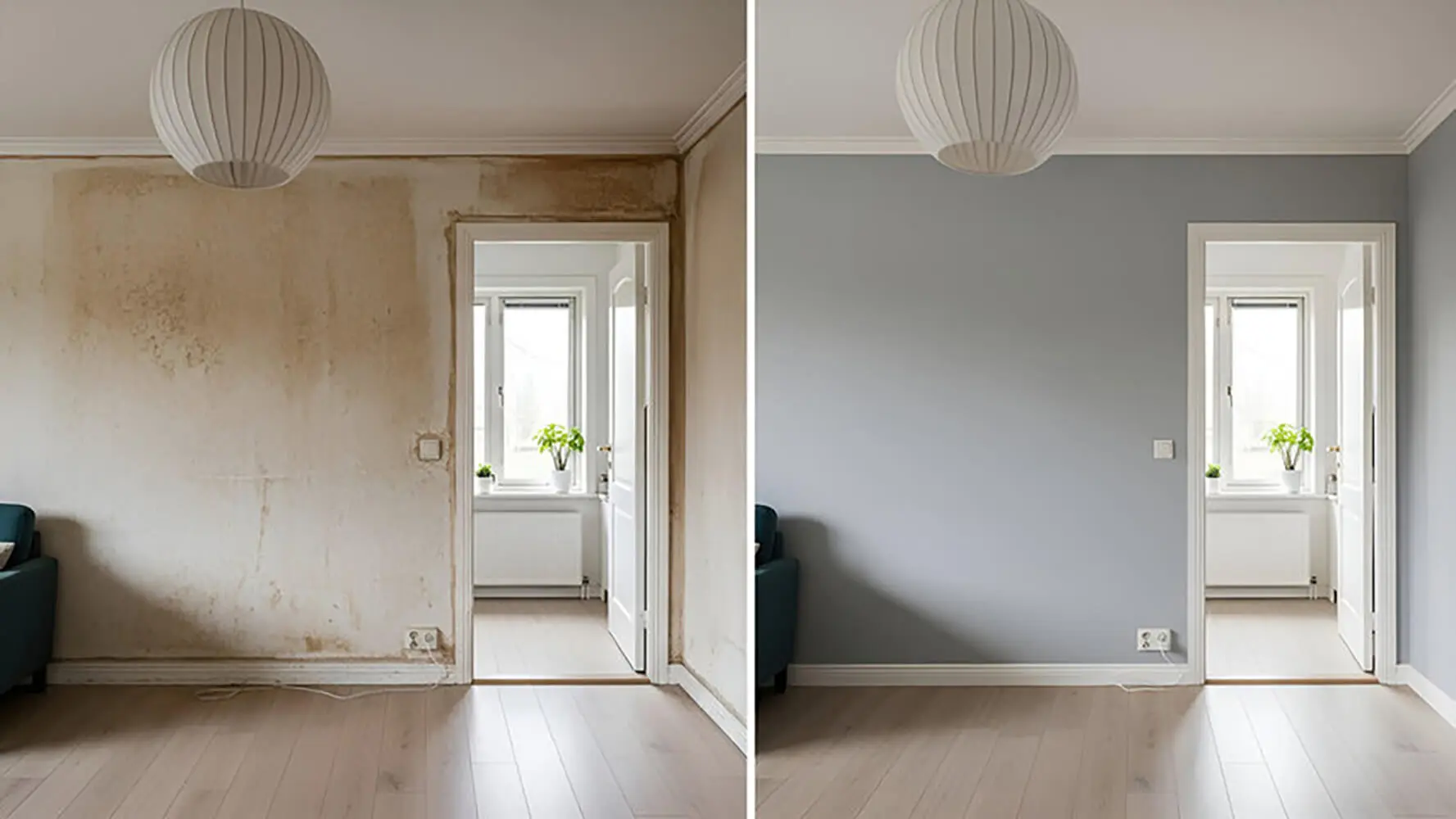
Interior paint does not last forever.
Even the highest-quality products gradually lose their durability and visual appeal as walls collect scuffs, absorb moisture, and fade from daily exposure to light.
Over time, colors that once felt fresh can start to look dull or uneven, and small imperfections become more noticeable.
That leads many homeowners to ask the same question: how often should you repaint your home interior?
The answer is not the same for every house. Repaint timelines depend heavily on how each room is used, how much traffic it sees, and how well surfaces were prepared and maintained.
In a place like Schaumburg, where seasonal temperature shifts and indoor humidity can fluctuate throughout the year, those environmental factors also play a role.
In this guide, you’ll find realistic repaint timelines for every room in your home, exterior repaint schedules by siding material, a breakdown of what affects paint durability inside and out, the warning signs that it’s time for a refresh, and what homeowners can expect in terms of typical repainting costs.
Why Interior Repaint Timelines Aren’t the Same for Every Home
Repainting interior walls frequency is not based on a universal calendar. It depends on how a home is lived in day to day, how many people share the space, and how much physical contact the walls experience.
Homes with larger families naturally experience more wear. Children brushing past hallways, backpacks hitting corners, and toys rubbing against baseboards all contribute to gradual surface breakdown. Pets can also accelerate wall damage, especially near feeding areas, stairwells, and entry points where scratching and dirt transfer are common.
High-contact areas tend to wear first, including many spots that benefit from techniques like those in removing scuff marks from painted doors, such as:
- Hallways and stairwells
- Light switch and thermostat zones
- Around door frames and trim
- Kitchen and dining areas
Beyond traffic, indoor environmental conditions matter more than many homeowners realize. Schaumburg experiences cold winters and humid summers, which can influence indoor moisture levels. When humidity rises or ventilation is limited, paint films may soften, making them more vulnerable to scuffs and staining. Over time, repeated expansion and contraction from seasonal temperature changes can also contribute to subtle cracking or surface fatigue.
Paint quality and finish type significantly affect durability as well. Flat finishes hide imperfections but mark easily, while satin and semi-gloss finishes are more washable and resistant to moisture. Proper surface preparation is equally important; walls that were cleaned, repaired, and primed correctly tend to hold up far longer than rushed paint jobs.
Ultimately, repaint timing is influenced by two overlapping factors: cosmetic refresh and surface protection. Some homeowners repaint because the color feels outdated, while others wait until visible deterioration begins. In most cases, both appearance and performance work together to determine when a space is ready for a new coat.
How Often Should You Repaint Each Room in Your Home?
Most homeowners repaint interior spaces every 3–7 years, but the timeline varies significantly depending on how each room functions. Some areas experience only gradual cosmetic wear, while others deal with daily moisture, heat, and repeated cleaning.
Living rooms and dining rooms typically need repainting every 5–7 years. These areas see moderate traffic, but not constant physical contact. Over time, minor scuffs, subtle fading from sunlight, and general dullness begin to show. If the finish is higher quality and walls are cleaned gently, these spaces often stay presentable for longer stretches.
Adult bedrooms often last 5–10 years because they experience less daily wear and moisture, and choosing the right hues—like paint colors that make small rooms look bigger—can keep these spaces feeling fresh longer.
Children’s bedrooms usually require repainting every 3–5 years. Increased wall contact, marker stains, furniture movement, and frequent wiping accelerate wear. Even with durable finishes, repeated scrubbing can gradually thin the paint layer.
Kitchens commonly need repainting every 3–5 years due to grease particles, cooking heat, and regular cleaning. Even if walls are wiped consistently, airborne oils slowly build up and can affect both sheen and color clarity.
Bathrooms often require repainting every 3–4 years because of humidity and steam exposure. Without strong ventilation, moisture can soften the paint surface and increase the risk of peeling or mildew staining.
Hallways, stairwells, and entryways may need repainting every 2–4 years. These are high-traffic, high-contact zones where constant movement leads to visible scuffs and impact marks.
These timeframes serve as an interior paint lifespan guide rather than strict deadlines. Some homes may stretch beyond these ranges, while others may require earlier attention depending on usage patterns and environmental conditions.
How Often Should You Repaint Your Home’s Exterior?
Exterior paint works harder than interior paint. It faces direct sun exposure, temperature swings, wind, rain, and in the Schaumburg area, harsh Midwest winters that can accelerate wear significantly faster than sheltered indoor surfaces.
Most homes need exterior repainting every 5–10 years, but that range shifts considerably depending on the material your home’s exterior is made of.
Wood siding requires repainting most frequently, typically every 3–7 years. Wood expands and contracts with temperature and moisture changes, which stresses the paint film over time. Without regular maintenance, wood surfaces are also more vulnerable to rot and moisture damage once the paint barrier breaks down.
Stucco generally holds up for 5–6 years before needing attention. Hairline cracks can allow moisture to penetrate behind the surface, so keeping stucco well-painted is as much about protection as appearance.
Vinyl and aluminum siding can go 10–15 years between paint jobs under normal conditions. These materials don’t absorb moisture the way wood does, but UV exposure gradually fades and chalks the surface over time.
Brick painted exteriors last the longest, typically 15–20 years, though the decision to paint brick at all is worth careful consideration since it requires ongoing maintenance once started.
What Causes Exterior Paint to Wear Out Faster?
Several conditions can shorten exterior paint life well below the expected range:
- Sun exposure on south- and west-facing walls causes faster fading and chalking, particularly with darker colors
- Moisture and humidity soften the paint film and increase the risk of peeling, especially where gutters overflow or grade directs water toward the foundation
- Temperature fluctuation in the Chicago suburbs, where winters regularly drop below freezing and summers push into the 90s, puts repeated stress on the paint film through expansion and contraction
- Poor original preparation — surfaces that weren’t properly cleaned, primed, or repaired before painting tend to fail significantly earlier regardless of paint quality
Signs It’s Time to Repaint Your Exterior
The clearest indicators don’t require a ladder or close inspection:
- Fading or chalking where the color looks washed out and a white powdery residue appears when you run your hand along the surface
- Peeling, cracking, or bubbling paint, which signals the paint film has lost adhesion and moisture may already be reaching the substrate
- Visible mold or mildew streaking, common on north-facing walls and areas with limited sun exposure
- Stains or discoloration that washing no longer removes
Catching these signs early matters. Once the paint film breaks down enough for moisture to reach the underlying material, the repair scope grows quickly — especially on wood surfaces where rot can develop beneath what looks like a surface-level paint problem.
Best Time of Year to Repaint an Exterior in the Schaumburg Area
Spring and early fall are the most reliable windows for exterior painting in the Chicago suburbs. Paint needs moderate temperatures — generally between 50°F and 85°F — to apply and cure properly. Summer heat can cause paint to dry too fast, trapping solvents and reducing adhesion. Winter cold prevents proper curing entirely.
Spring gives freshly painted surfaces time to fully cure before summer UV exposure begins. Early fall avoids peak heat while leaving enough warm days before temperatures drop consistently below 50°F. Scheduling within these windows gives any exterior paint job the best chance of lasting its full expected lifespan.
What Causes Interior Paint to Wear Out Faster?
Even when paint is applied correctly, certain conditions can significantly shorten its lifespan. Understanding these factors helps homeowners anticipate when to repaint interior rooms rather than being surprised by early deterioration.
Heavy traffic patterns are one of the biggest contributors to faster wear. Walls in narrow hallways, around staircases, and near entryways are constantly brushed by hands, shoulders, bags, and furniture. Over time, this repeated friction breaks down the paint film and leaves visible scuffing.
Frequent scrubbing also reduces durability. While washable finishes are designed to handle cleaning, aggressive scrubbing or abrasive cleaning products can thin the paint layer and create shiny spots or uneven patches. The more often a wall needs to be scrubbed, the faster the surface typically degrades.
Excess humidity and steam are especially hard on paint. In bathrooms, laundry rooms, and poorly ventilated kitchens, moisture can soften the paint film. When that happens repeatedly, it may lead to:
- Peeling or bubbling
- Mildew staining
- Surface cracking
Grease buildup is another common issue in kitchens. Airborne cooking oils settle on walls over time, attracting dust and creating a slightly sticky film. Even if walls appear clean, this buildup can dull the finish and make colors look uneven.
Direct sunlight also plays a role. Rooms with large windows that receive strong afternoon sun may experience gradual fading, particularly with darker or bold colors. While interior paints are more UV-resistant than they once were, consistent exposure still affects pigment over time.
When multiple factors combine—such as heavy traffic and high humidity—the repaint timeline shortens considerably. Paying attention to how each room functions can make it easier to predict repainting interior walls frequency before visible damage becomes severe.
Signs It’s Time to Repaint Your Home Interior
Even without tracking a timeline, most homes eventually show clear visual cues that it’s time for a refresh. Paying attention to these signs helps prevent small cosmetic issues from turning into larger surface problems.
Peeling, cracking, bubbling, or flaking paint is one of the most obvious indicators. These issues often point to moisture exposure or aging paint that has lost its flexibility. Once the paint film begins separating from the surface, it no longer protects the wall properly.
Stains or discoloration that no longer clean up easily are another common sign. Over time, repeated wiping can set certain marks permanently into the surface. If scrubbing no longer restores a uniform finish, repainting may be the simplest solution.
A dull or chalky appearance can also signal that the paint has reached the end of its effective lifespan. Walls may look flat and lifeless even after cleaning, especially in rooms that receive strong sunlight.
Uneven color from repeated touch-ups is another subtle indicator. Small patched areas often reflect light differently than the surrounding wall, creating visible variations that are hard to ignore.
In some cases, the need to repaint is purely aesthetic. Outdated colors, preparing a home for sale, or wanting a brighter, more modern look are all valid reasons to update interior walls.
Repainting at the right time does more than improve appearance. It restores surface protection, prevents deeper wall deterioration, and keeps your home looking well maintained.
What Does It Typically Cost to Repaint Your Home Interior?
Interior repaint cost varies widely depending on the size of the project, the condition of the walls, and the level of detail involved. A simple refresh in a well-maintained room will cost less than a project that requires patching, sanding, and multiple coats.
Repainting a single standard-sized room often ranges from approximately $400–$1,200. Smaller bedrooms with minimal prep fall on the lower end, while larger spaces with higher ceilings, trim work, or necessary wall repairs move toward the higher end of that range.
Repainting multiple rooms or open-concept living areas may range from $2,000–$5,000+ depending on total square footage. Homes with vaulted ceilings, stairwells, and detailed trim increase labor time and material usage, which affects overall pricing.
A full interior repaint of an average-sized home may range from $4,000–$10,000+ depending on layout, accessibility, and surface condition. Larger homes or those requiring extensive prep work can exceed that range.
Several key cost drivers influence pricing:
- Wall repairs such as drywall patching, crack repair, or texture matching
- Number of coats required for color changes
- Inclusion of ceilings, doors, and trim
- Paint quality and finish type
- Furniture moving and protection needs
- Accessibility challenges like tall stairwells or tight spaces
While it may be tempting to focus only on upfront cost, investing in proper surface preparation and durable materials can extend the time between repaints. Higher-quality products and thorough prep often reduce long-term maintenance, making the repaint cycle more predictable and cost-effective over time.
Wrap-Up: How Often Should You Repaint Your Home Interior in Schaumburg?
There is no universal expiration date for paint. The answer to how often you should repaint depends on whether you’re looking at interior rooms or exterior surfaces, how much wear each area experiences, and how environmental conditions affect the paint over time.
High-traffic areas like hallways and entryways typically need attention sooner, while low-impact spaces such as adult bedrooms can last much longer. Kitchens and bathrooms often fall somewhere in between due to moisture, heat, and frequent cleaning.
Understanding these general benchmarks helps homeowners plan proactively instead of waiting for visible deterioration. Subtle fading, stubborn stains, and uneven touch-ups are often early signals that it’s time to refresh a space before deeper surface issues develop.
If you’re noticing signs of wear or simply ready for an updated look, an interior painting assessment can help clarify your options. Damian’s Painting works with Schaumburg homeowners to evaluate both interior and exterior surfaces, recommend appropriate finishes, and provide detailed estimates for any scope of repainting project. When you’re ready to refresh your home, contact our team to help you plan your next repaint with confidence.