

Enhance Your Home with Quality Trim and Molding Painting
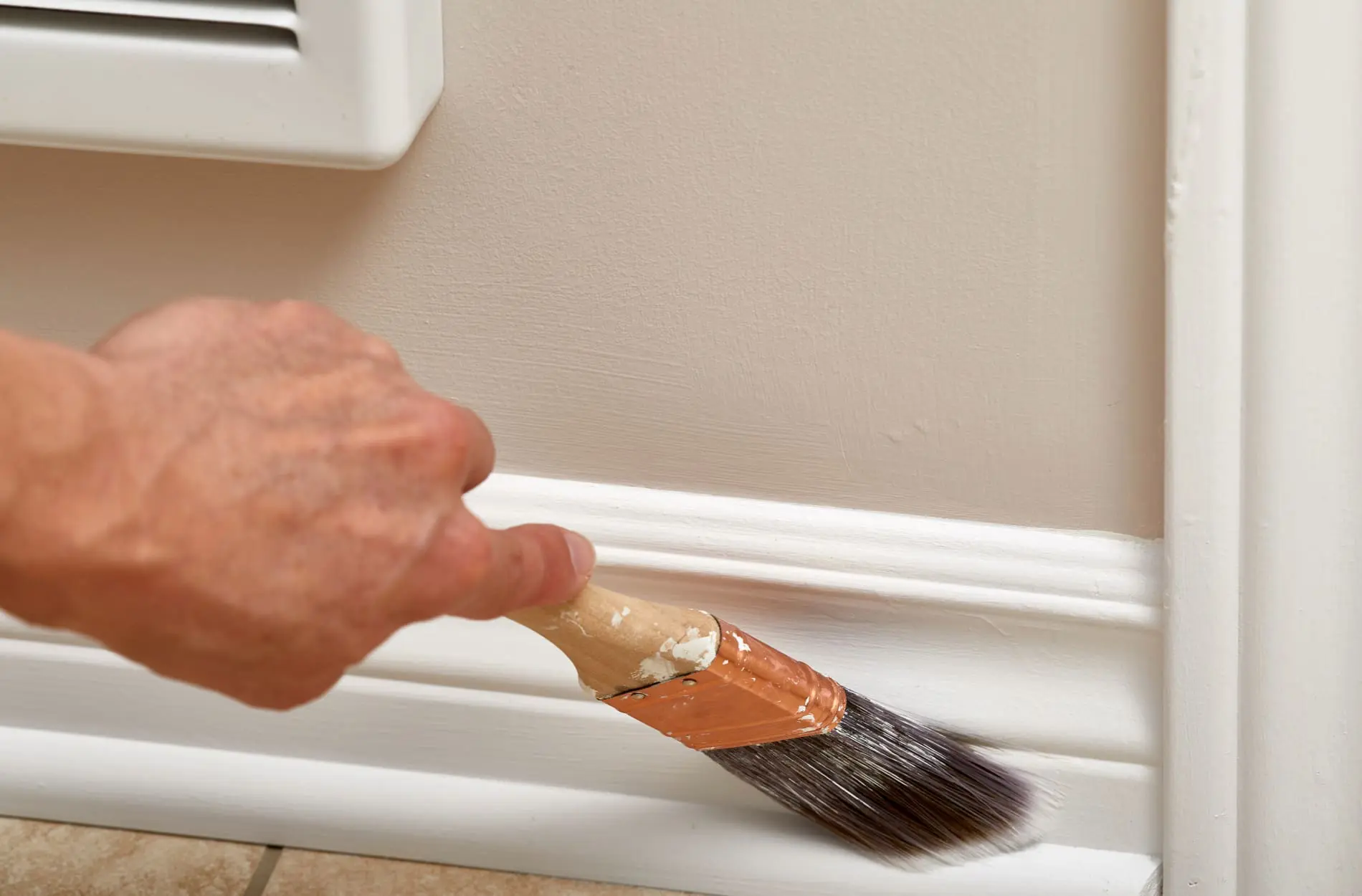
When a room gets a fresh coat of paint on the walls, the trim and molding are often the last thing on the list or skipped entirely. That’s a mistake that shows. Trim is what frames everything else in a room. When it’s painted well, the whole space looks finished and intentional. When it’s worn, yellowed, or painted sloppily, it undermines the walls around it regardless of how good the rest of the paint job looks. This post covers what trim and molding painting actually involves, why it gets overlooked, what goes wrong when it’s done poorly, what professionals do differently, and how exterior trim fits into the picture.
What Counts as Trim and Molding in a Home?
Trim and molding is a broad category that covers more surfaces than most homeowners initially think. Understanding what falls under this category makes it easier to assess what your home actually needs.
The most common trim and molding surfaces include:
- Baseboards: the horizontal trim running along the floor where walls meet the ground. These are among the most visible and most frequently scuffed surfaces in any home.
- Door casings: the trim framing every door opening, both on the interior and at exterior doorways
- Window casings: the trim surrounding window openings on the interior side, framing the glass and creating a finished edge
- Crown molding: decorative molding running along the top of walls where they meet the ceiling, adding architectural detail and visual height to a room
- Chair rails: horizontal molding running partway up a wall, typically at chair height, common in dining rooms and hallways
- Wainscoting and panel molding: decorative wood paneling on the lower portion of walls, often painted in a contrasting color to create visual separation
Not every home has all of these. Older homes often feature more elaborate molding profiles while newer construction tends toward simpler trim throughout. The scope of a trim painting project depends entirely on what’s present and what condition it’s in.
Why Trim and Molding Painting Gets Overlooked
Walls get all the attention during a refresh. Trim and molding are treated as background elements that just need a quick touch-up, if they get touched at all. The problem is that trim accumulates visible wear faster than walls do because it sits at contact height throughout every room.
A few things that happen to trim over time:
- Yellowing: white and off-white trim yellows from UV exposure, cooking oils, and the natural aging of oil-based paints — and choosing the right paint finish for interior walls from the start can significantly slow how quickly trim deteriorates.
- Scuffing along baseboards from foot traffic, furniture legs, and vacuum cleaners. These marks build up over time and reach a point where cleaning alone can’t restore the surface.
- Nicks and chips at door casings from handles, bags, and daily contact. These small impacts accumulate across years and leave the trim looking worn even when the walls around it look fine.
Because trim is typically a consistent color throughout a home, the deterioration feels gradual and gets tolerated longer than it should. Repainting walls without addressing the trim leaves the room looking like an incomplete project.
What Happens When Trim and Molding Is Painted Poorly
Trim and molding are precision surfaces. They require clean edges, consistent sheen, and smooth application across detailed profiles. When the technique or preparation isn’t right, the problems are visible up close throughout every room.
Common failures in poor trim painting include:
- Brush marks in the finished surface from the wrong brush type, incorrect technique, or paint that was applied too quickly without leveling properly
- Paint buildup at corners and in molding profiles from multiple coats applied without sanding between them. Over time this fills in the detail and softens sharp profiles until the molding loses its definition.
- Bleed at wall edges where paint from the trim crosses onto the wall or vice versa, creating a ragged line that’s difficult to correct after the fact
- Sheen inconsistency from using the wrong finish. Flat or eggshell paint on trim shows every mark and won’t hold up to cleaning. Trim needs a harder finish to perform over time.
These issues are more noticeable on trim than on walls because trim is viewed up close and at contact height throughout the day. A wall painted with minor imperfections can look fine from across the room. Trim painted poorly is hard to ignore regardless of the viewing distance.
What Professional Trim and Molding Painting Actually Involves
The difference between a professional trim result and an amateur one starts before the first coat goes on and comes down to preparation, product selection, and technique.
Surface preparation sets the foundation. Trim is sanded lightly before painting to remove brush marks from previous coats and create a surface the new paint can bond to properly. Any nicks, dents, or cracks are filled and sanded smooth before primer goes on. Caulk is checked at wall-to-trim transitions and reapplied wherever it has shrunk or separated. The same caulking principles that apply to trim transitions apply on a larger scale when preparing a home’s exterior for painting, where failed caulk at trim joints is one of the most common causes of moisture damage
Primer is applied wherever it’s needed: bare wood, repaired areas, and any surfaces where an oil-based finish is being switched to water-based paint. Skipping primer on these surfaces causes adhesion failure that shows up as peeling within the first season.
Finish selection matters as much as application technique:
- Semi-gloss is the standard for most interior trim and molding. It holds up to cleaning, resists moisture, and reflects enough light to highlight the profile without looking overly shiny.
- High-gloss is used on doors and more formal trim where a sharper, more polished look is appropriate.
- Satin is occasionally used on trim in rooms where a softer sheen is preferred, though it sacrifices some durability compared to semi-gloss.
Multiple thin coats produce a better result than one heavy coat. Thin coats dry without sagging, level more smoothly, and show fewer brush marks in the finished surface. Proper masking at wall-to-trim transitions ensures clean edges without bleed, and cutting in by hand where tape alone isn’t sufficient is a standard part of professional trim work.
Exterior Trim and Fascia Boards Need Attention Too
Exterior trim faces a different set of challenges than interior molding. Where interior trim deals primarily with scuffing and yellowing, exterior trim contends with direct sun exposure, moisture, and the freeze-thaw cycle that Schaumburg winters bring every year.
The exterior trim surfaces that need the most attention include:
- Fascia boards running along the roofline directly below the gutters. These are among the most moisture-exposed wood surfaces on any home. When gutters overflow or fail, fascia boards take the most water damage. Keeping them well-painted seals the wood against moisture intrusion that leads to softening and rot.
- Soffits on the underside of the roof overhang collect mildew quickly, especially on north-facing elevations with limited sun exposure.
- Window and door trim seals the gap between casing and siding. Failed paint here allows water into the wall assembly.
Exterior trim paint needs to be a product rated for exterior use with UV resistance and flexibility built into the formula. Interior trim paints are not formulated to handle temperature cycling and will crack and peel quickly when used outdoors. In the Schaumburg area, where winters regularly drop below freezing and summers push into the 90s, exterior trim paint takes significant stress through expansion and contraction every year. A quality product applied over a properly prepped surface is what determines how long it holds up through those conditions.
How to Keep Painted Trim Looking Sharp Over Time
Maintaining painted trim is simpler than most homeowners expect and extends the time between full repaints significantly. The goal is staying ahead of buildup and catching small damage before it becomes a larger problem.
Practical maintenance steps:
- Wipe baseboards and door casings regularly with a damp cloth and mild soap. Surface buildup that gets removed early doesn’t have the chance to become embedded in the paint film.
- Avoid abrasive cleaners and scrubbing pads. These dull the sheen and thin the paint layer over time, leaving the surface more vulnerable to scuffing and marking.
- Keep a small amount of the original trim paint stored and labeled. Baseboards and door casings are the most frequently damaged surfaces in any home, and small chips touched up promptly stay small. Left unaddressed, they tend to grow and attract further damage.
- Inspect exterior trim once a year after winter. Look for areas where caulk has separated, paint has cracked, or wood feels soft to the touch. Addressing those spots before the next paint season keeps the repair scope manageable.
Ready to Refresh Your Trim in Schaumburg?
Trim and molding painting is what separates a room that looks finished from one that still feels like something is off. On the exterior, it’s what protects the wood underneath from the kind of moisture damage that gets expensive to fix. The difference between a good paint job and a great one often comes down to how the trim was handled.
Damian’s Painting works with homeowners across Schaumburg and the surrounding area on interior and exterior trim painting. If you’re ready to refresh your trim or want to understand what a full interior or exterior project would involve, contact us for a free estimate.