
The Ultimate Checklist for Preparing Your Home for Exterior Painting
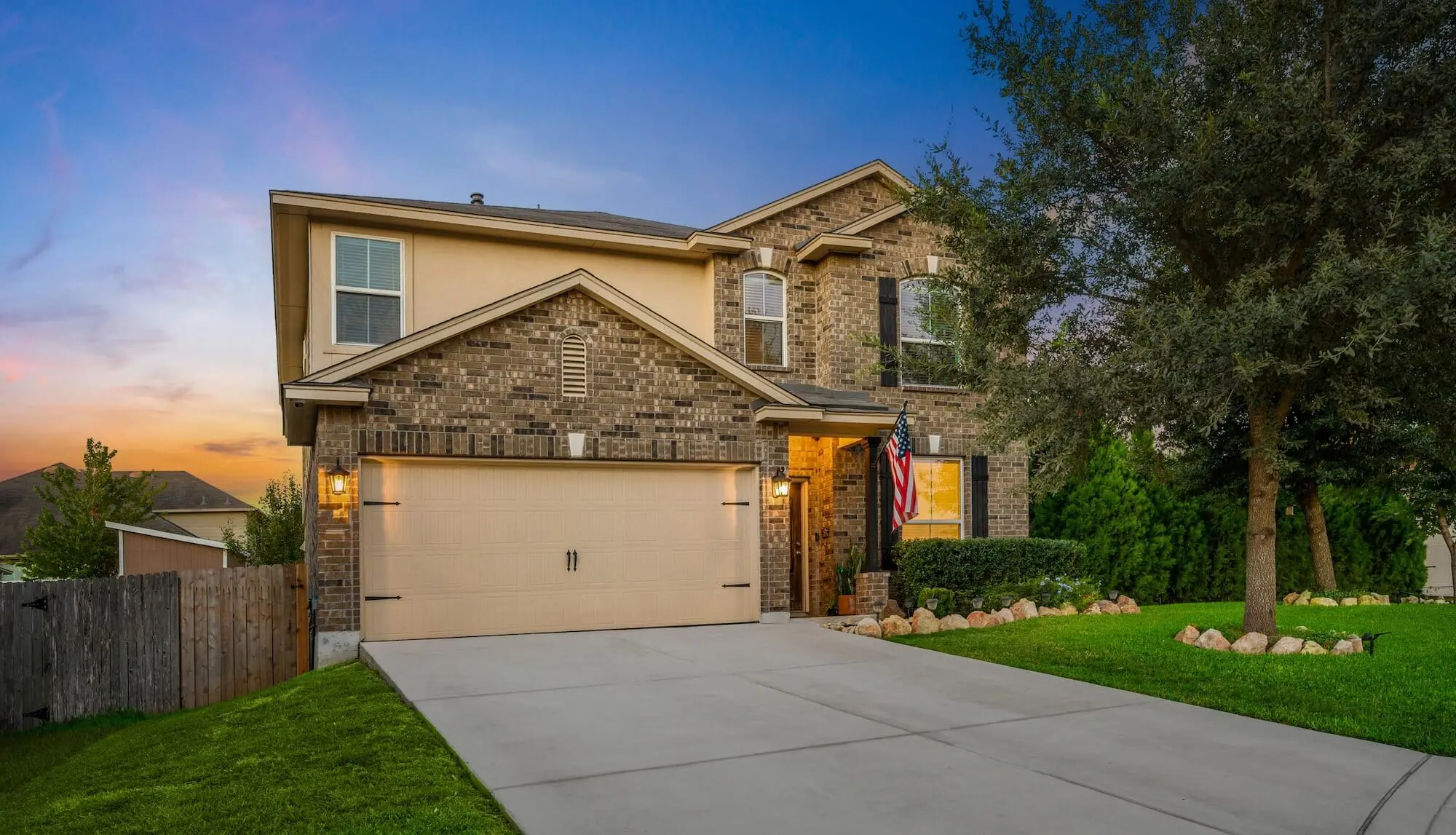
A fresh exterior paint job can completely change how a home looks and how well it holds up against the elements. But the paint itself is only part of the equation. The preparation work that happens before a single drop of paint goes on the wall determines how long the results last and how good they look. A paint job applied to a properly prepared surface can last 8 to 10 years or more. One applied to a surface that was rushed through prep may start peeling or failing within a few years. This checklist covers every step of exterior painting preparation in the order it needs to happen, so you know exactly what proper prep involves before your project begins.
Step 1: Inspect the Exterior Before Anything Else
Inspection is the first step and it sets the scope for everything that follows. Before any cleaning or prep work begins, the entire exterior needs to be walked and assessed so that nothing gets painted over that should have been repaired.
During inspection, look for:
- Peeling, flaking, or bubbling paint
- Cracks in siding, stucco, or masonry
- Soft or spongy wood, which indicates rot beneath the surface
- Mold or mildew staining, particularly on north-facing walls and shaded areas
- Gaps or failed caulk around window frames, door frames, and trim
- Rust stains running down from metal fixtures or fasteners
Higher areas like soffits, fascia boards, and eaves require ladder access to inspect properly. These are some of the most common problem areas on any home and are easy to overlook from the ground. Issues that get missed at the inspection stage get painted over, and painted-over problems don’t go away. Rot continues to spread. Cracks continue to widen. Moisture continues to find its way in. Catching everything at this stage makes the rest of the prep more efficient and the final result more durable.
Step 2: Power Wash the Entire Surface
Paint does not adhere well to a dirty surface. Dust, dirt, mildew, and the chalky residue that builds up on aging paint all interfere with adhesion and can cause a new coat to fail prematurely. Power washing removes these contaminants and exposes the true condition of the surface underneath.
A few things to keep in mind during this step:
- Pressure settings matter. Wood siding requires lower pressure than masonry or concrete. Too much pressure on wood can raise the grain, drive water into the wall, or damage the siding itself.
- Pay extra attention to areas with visible mildew. A mildew-killing solution added to the wash helps prevent regrowth under the new paint.
- Power washing often reveals additional peeling or damage that wasn’t visible under the layer of grime. Note anything new that comes up and add it to the repair list.
- The surface must dry completely before any further prep work begins. In the Schaumburg area, plan for at least 24 to 48 hours of drying time depending on weather conditions, temperature, and how much direct sun the walls receive.
Rushing past the drying window is a common mistake. Moisture trapped beneath primer or paint is one of the leading causes of early peeling.
Step 3: Scrape and Sand Loose or Peeling Paint
Power washing loosens some peeling paint but it does not remove all of it. Hand scraping and sanding are still required to get the surface ready for new paint.
Any paint that is not firmly bonded to the surface needs to come off before painting begins. Painting over loose paint traps it underneath the new coat and accelerates future failure. The new paint has no solid surface to bond to, so it peels again quickly and takes the old paint with it.
The process looks like this:
- Use a paint scraper to remove larger areas of peeling or flaking paint
- Use a wire brush for tight spots, textured surfaces, and areas around trim
- Sand the edges where old paint meets bare surface to create a smooth, gradual transition
That last step, feathering the edges, is important. Without it, there is a visible ridge where the old paint ends and the bare surface begins, and that ridge shows through the new coat. Feathering blends the transition so the finished surface looks smooth and uniform.
One additional note: homes built before 1978 may contain lead paint. If there is any possibility of lead on the surface being scraped, proper containment and disposal procedures are required — and for older homes with significant paint failure, it may be worth weighing whether repainting or replacing the siding is the more practical path before prep work begins.
Step 4: Repair Damaged Surfaces
Paint is a finish. It covers and protects a surface, but it does not fix one. Any damage identified during inspection needs to be addressed before painting begins, because painting over damage seals it in and allows it to continue getting worse underneath a coat that looks fine from the outside.
Common repairs at this stage include:
- Wood rot: soft or spongy areas need to be cut out and replaced with new wood, or filled with an exterior-grade epoxy wood filler. Painting over rot does not stop it from spreading.
- Cracks in siding or stucco: fill with an exterior-grade patching compound appropriate for the material, allow it to cure fully, then sand smooth before priming.
- Damaged or missing caulk: remove old caulk completely before applying new — paint bubbling on walls is often traced back to moisture that entered through gaps that were painted over rather than sealed.
All repairs need adequate cure time before primer or paint goes on. The specific window depends on the product used and the temperature, but rushing this step is one of the most common causes of early paint failure. A repair that hasn’t fully cured will move and flex as it continues to set, which breaks the bond with whatever goes on top of it.
Step 5: Caulk Gaps and Open Seams
Caulking seals the points where different materials meet and where gaps have opened up over time. These are the places where water most commonly finds its way behind the paint film and into the wall structure, so getting them sealed properly is one of the most important steps in the prep sequence.
Areas that typically need caulking include:
- Where siding meets trim boards
- Where trim meets window and door frames
- Where pipes, vents, or fixtures penetrate the wall surface
- Where two pieces of siding meet at corners or transitions
Use a paintable exterior caulk rated for the materials being joined. Not all caulks bond equally to wood, masonry, vinyl, or metal, so matching the product to the substrate matters.
Apply in a continuous bead, smooth with a wet finger or caulk tool, and allow adequate skinning time before painting. Most exterior caulks need at least a few hours before they can be painted without disturbing the bead.
One exception worth knowing: the bottom edge of lap siding should not be caulked. That gap is intentional. It allows any moisture that gets behind the siding to drain out. Sealing it traps moisture inside the wall.
Step 6: Protect Landscaping, Fixtures, and Trim
Before any primer or paint goes on the surface, everything that is not being painted needs to be covered or masked. This step is easy to underestimate. Paint overspray and drips travel further than most people expect, especially on windy days.
Protection should cover:
- Landscaping: lay drop cloths over shrubs, flowers, and ground cover directly below the work area. Paint that lands on plants is difficult to remove and can damage foliage.
- Light fixtures, outlet covers, and house numbers: cover or remove anything that cannot be taped off cleanly
- Windows and doors: apply painter’s tape firmly along every edge where glass or unpainted surfaces meet the area being painted. Tape that isn’t pressed down fully allows paint to bleed underneath.
- Driveways and walkways: cover with drop cloths or rosin paper anywhere paint could drip or be tracked
Protection needs to be fully in place before priming begins, not just before the finish coat. Primer overspray lands just as far as paint overspray.
Step 7: Prime Bare and Repaired Areas
Primer is not required over the entire surface in most repaints, but it is required wherever bare wood, bare metal, or patched areas are exposed after scraping and repairs.
Bare wood absorbs paint unevenly without primer. The result is a blotchy, inconsistent finish and reduced adhesion that shortens the life of the topcoat. Primer seals the surface and gives the finish coat a consistent base to bond to.
Patched areas need primer for the same reason. Patching compounds are porous and absorb finish paint differently than the surrounding surface, which creates visible dull spots in the finished coat.
A few product considerations:
- Oil-based primers offer stronger stain blocking on problem wood, knots, and tannin-rich species like cedar and redwood that tend to bleed through water-based products
- Water-based primers are easier to work with, dry faster, and are appropriate for most standard repaints where bare wood exposure is limited
- Use a primer rated for exterior use and appropriate for the substrate being primed
Allow primer to dry fully before applying the finish coat. The manufacturer’s recommended recoat window varies by product and temperature. Applying finish paint over primer that hasn’t fully dried traps solvents beneath the surface and can cause adhesion problems in the finished coat.
Ready to Schedule Your Exterior Painting Project in Schaumburg?
Every step in this checklist exists for a reason. Skipping or rushing any one of them shortens the life of the paint job and creates problems that are more expensive to fix once they are under a coat of paint. Proper preparation is what separates a result that holds up for a decade from one that starts showing problems in the first few years.
Damian’s Painting handles every step of this process for homeowners across Schaumburg and the surrounding area. If you are ready to move forward with an exterior paint job or want to understand what the project would involve, contact us today for a free estimate.