How to Prevent and Fix Paint Bubbling on Walls and Ceilings
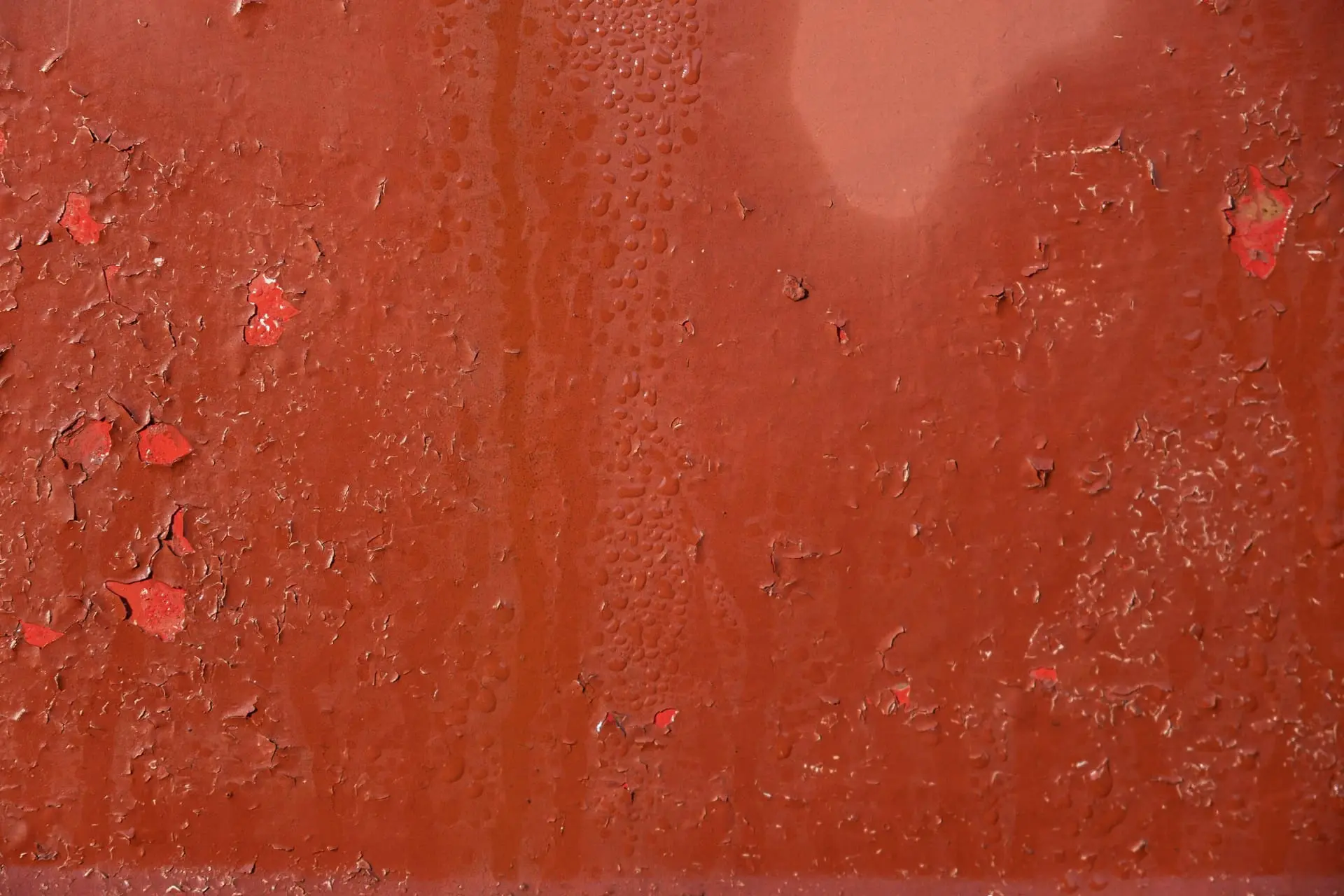
Paint bubbling on walls and ceilings is one of those problems that looks minor until it isn’t. A small cluster of bubbles can indicate a surface-level application issue that’s easy to repair, or it can be the first visible sign of a moisture problem that’s been developing inside the wall for months. The difference matters because painting over a bubble without understanding what caused it almost always produces a repair that fails again. This post covers what causes paint bubbling, how to read a bubble before repairing it, what proper repair involves, and how to prevent it from coming back.
What Paint Bubbling Actually Is
A paint bubble forms when the paint film loses adhesion to the surface beneath it and lifts away, trapping air or moisture underneath. The bubble itself is not the problem — it’s the symptom. Something has broken the bond between the paint and the wall or ceiling, and the bubble is where that break has become visible.
Bubbles can appear on freshly painted surfaces within hours of application, or they can develop on painted walls that have been in place for years. The timing and location of the bubbling are both useful clues for identifying what caused it, which determines what the repair actually needs to address.
The Most Common Causes of Paint Bubbling
Understanding the cause is the most important step in any bubbling repair. Fixing the surface without fixing the cause produces a result that fails again.
The most common causes on interior walls and ceilings:
- Moisture behind the wall: water entering through a roof leak, plumbing leak, or condensation issue pushes outward as vapor and breaks the paint film from behind. These bubbles are often soft and slightly damp when pressed and tend to cluster near the moisture source. The same conditions that cause bubbling behind walls drive bathroom paint peeling, though bathroom surfaces face ongoing humidity rather than a single moisture event.
- Painting over a wet or damp surface: moisture trapped beneath the film pushes the paint up as it tries to escape. This type of bubbling typically appears within hours or days of application.
- Painting over uncured paint: a second coat applied before the first has fully cured traps solvents in the film. As they try to escape, they push the top layer up. This is one of the most common causes of ceiling bubbling where coats are applied in quick succession.
- Extreme heat or direct sunlight: paint that dries too fast on the outside while still curing underneath traps vapor beneath the surface film.
- Surface contamination: dust, grease, or cleaning product residue prevents the new coat from bonding. Bubbles from contamination tend to be shallow and dry when pressed.
- Incompatible paint products: water-based paint applied over an oil-based surface without proper priming creates an adhesion conflict that can manifest as bubbling over time.
How to Read a Bubble Before You Repair It
The appearance and feel of a bubble provides useful information before any repair begins.
Press the bubble gently:
- A bubble that is soft and feels damp when pressed almost certainly has a moisture source behind it. Repainting without finding and fixing the moisture source will produce the same result again.
- A bubble that is firm or crinkly when pressed is more likely caused by an application issue — painting over uncured paint, trapped solvents, or surface contamination. These are more straightforward to repair once the bubble is removed.
Look at the pattern:
- Bubbles clustered in one area, particularly near a ceiling line, window, or exterior wall, suggest a localized moisture source — a leak or condensation point — that needs to be located before repair begins
- Bubbles scattered across a larger area more evenly suggest an application issue that affected the whole surface — painting conditions, uncured base coat, or contamination
Check what’s behind the bubble when you scrape it open. If the wall surface beneath is discolored, soft, or shows staining, the issue is moisture-related. If the surface beneath is sound and dry, the problem is at the paint layer itself.
What Proper Repair Involves
The repair sequence depends on the cause, but the approach is consistent: remove the failed paint, address the underlying issue, prime correctly, and repaint.
For application-related bubbling:
- Scrape off all bubbled and loose paint in the affected area using a paint scraper
- Sand the edges where intact paint meets the scraped area to feather the transition and eliminate any visible ridge
- Clean the surface to remove any dust or contamination
- Prime with an appropriate primer for the surface — bonding primer where the previous paint was oil-based, PVA primer on bare drywall, standard primer everywhere else
- Apply thin, even finish coats with adequate dry time between them
For moisture-related bubbling:
- Do not repaint until the moisture source has been identified and resolved. Painting over a moisture problem produces a result that fails again, often faster the second time.
- Once the source is fixed and the wall has dried fully — which can take days to weeks depending on how much moisture was present — assess whether the wall surface itself has been damaged. Soft drywall paper, crumbling plaster, or staining that bleeds through primer all indicate that the substrate needs repair before painting.
- Prime with a stain-blocking primer on any areas that show staining from behind — standard primer will not prevent the stain from bleeding through the finish coat Water stains specifically require a stain-blocking primer before any finish coat will hold, which is covered in detail as part of addressing water stains on ceilings before painting.
- Repaint once the surface is sound, dry, and properly primed
Paint Bubbling vs. Peeling: What’s the Difference?
Bubbling and peeling are related but distinct failure modes and they’re worth understanding separately because the repair approach differs.
Bubbling is active. The paint film is lifting away from the surface but hasn’t separated yet. There’s still an opportunity to address it before the bubble breaks open and takes surrounding paint with it.
Peeling is what happens after a bubble breaks or after adhesion failure progresses to the point where the film separates and begins lifting in sheets or flakes. Peeling tends to be more widespread than bubbling and involves more surface area by the time it becomes visible.
The causes overlap significantly — moisture, poor prep, and incompatible paint products cause both — but peeling often indicates a more advanced or widespread adhesion problem than bubbling does. A wall with isolated bubbles may need targeted repairs. A wall where the paint is peeling across a large area typically requires a full repaint with proper prep rather than spot treatment.
How to Prevent Paint Bubbling on Future Projects
Most bubbling is preventable with attention to a few specific factors during preparation and application.
Steps that prevent bubbling:
- Clean the surface before painting. Grease, dust, and cleaning product residue all interfere with adhesion. A surface that looks clean to the eye may still have contaminants that prevent paint from bonding.
- Make sure the surface is completely dry. Any moisture in the wall or ceiling needs to escape before paint is applied. In rooms that have recently had plumbing work, water damage, or high humidity, allow additional drying time before painting begins.
- Use the right primer for the situation. Primer is what creates the bond between the wall and the topcoat. Skipping it on bare surfaces, repaired areas, or previously oil-based surfaces removes the foundation the finish coat needs.
- Follow recoat windows. Every paint product specifies a minimum dry time before a second coat can be applied. Applying the next coat too soon traps solvents and creates exactly the conditions that cause bubbling.
- Avoid painting in extreme conditions. Temperatures above 85°F, direct sun on the surface being painted, or forced air heating blowing directly on wet paint all accelerate surface drying while the paint underneath is still curing — a reliable recipe for bubbling.
Dealing with Paint Bubbling in Your Schaumburg Home?
Paint bubbling is fixable, but the repair needs to start with understanding what caused it. A bubble addressed at the surface without resolving what’s underneath will return. Finding the cause first — whether that’s a moisture issue, an application problem, or an incompatibility between paint layers — is what determines whether the repair holds.
Damian’s Painting works with homeowners across Schaumburg and the surrounding area to assess paint failures, identify the underlying causes, and repaint interior surfaces correctly. If you’re dealing with bubbling walls or ceilings and want to understand what the repair involves, contact us for a free estimate.